Home >> News >> Industry News
Beijing Jintu Technology Editor Takes You Through the Complete Petroleum Drilling Knowledge |
作者:本站 发布时间:2025-03-10 浏览:60次 |
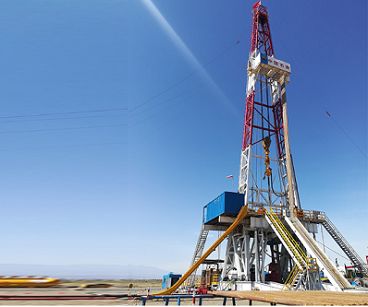
The Eight Major Components of a Drilling Rig The eight major components of a drilling rig are: derrick, hoisting crane, traveling block, hook, water valve, winch, turntable, and mud pump. The Composition and Function of the Drill String The drill string typically consists of: drill bit, drill collar, drill pipe, stabilizer, special joint, and square drill pipe. The main functions of the drill string are: To raise and lower the drill bit; To apply drilling pressure; To transmit power; To transport drilling fluid; To perform special operations: cementing, handling downhole accidents, etc. The Properties and Functions of Drilling Fluid The properties of drilling fluid mainly include: Density; Viscosity; Yield point; Static shear force; Fluid loss; Mud cake thickness; Sand content; pH; Solid phase, oil-water content. Drilling fluid is the lifeblood of drilling. Its main functions are: To carry and suspend cuttings; To cool and lubricate the drill bit and drill tools; To clean and flush the bottom of the well, aiding the drilling process; To use the pressure of the drilling fluid column to prevent a blowout; To protect the wellbore and prevent collapse; To transmit power to downhole tools. Common Drilling Fluid Purification Equipment Common drilling fluid purification equipment includes: Vibrating screens, which remove particles larger than the screen holes; Hydrocyclones, which remove particles smaller than the vibrating screen holes; Screw-type centrifuges, which recover barite and separate clay particles; Screen-type centrifuges, which recover barite. Drilling Fluid Circulation Process of a Drilling Rig Drilling fluid tank → Pump → Surface manifold → Standpipe → Water hose, water valve → Drill string → Drill bit → Outer annular space of the drill string → Wellhead, mud (drilling fluid) pit → Drilling fluid purification equipment → Drilling fluid tank. Damage to Oil and Gas Layers During Drilling The main types of damage are: Solid particles and mud cake block the oil and gas channels; Lost circulation fluids cause clay swelling, blocking the formation pores; Ions in the drilling fluid filtrate react with formation ions, causing precipitates that block channels; The water-lock effect increases oil and gas flow resistance. Methods for Predicting and Monitoring Formation Pressure Before drilling, seismic methods are used; During drilling, mechanical rate of penetration method, d and dc index method, shale density method are used; After completion, density logging, sonic time difference logging, and oil testing methods are employed. Static Liquid Pressure and Changes in Drilling Fluid During Drilling Static liquid pressure is the pressure caused by the weight of the drilling fluid itself. Changes in drilling fluid during drilling can occur due to the following: The entry of cuttings increases the fluid column pressure; Oil, gas, or water invasion reduces static liquid pressure; A drop in the drilling fluid level inside the well reduces static liquid pressure. To prevent changes in static liquid pressure, it is essential to effectively purify the drilling fluid and replenish the drilling fluid when lifting the drill string. Jet Drilling Jet drilling is a method that uses the hydraulic effect of high-speed jet flow from the drilling fluid through the nozzles of a jet drill bit to increase the mechanical rate of penetration. Factors Affecting Mechanical Rate of Penetration Drilling pressure, rotation speed, and drilling fluid flow rate; Properties of the drilling fluid; Hydraulic power of the drill bit; Rock drillability and drill bit type. This concludes the complete introduction to petroleum drilling knowledge (Part One). We hope it is helpful to you. For more related information, please follow the Beijing Jintu Technology editor.
|