Home >> News >> Product Q&A
Let Us Learn How to Determine the Drilling Pressure for Petroleum Drilling Rigs |
作者:本站 发布时间:2025-03-10 浏览:67次 |
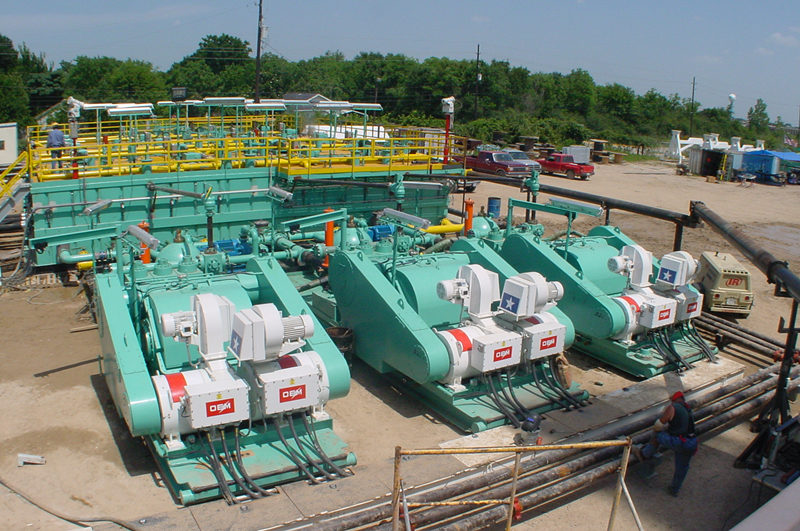
When using a petroleum drilling rig, how do you determine the drilling pressure? Let’s explore this together with the editor from a drilling rig manufacturer.
Initial Circulation Pressure The pressure of the drill pipe when drilling fluid is first pumped into the drill string is called the initial circulation pressure. Measured Method The pressure is measured when approaching the target formation, as well as before starting drilling with each bit and at the beginning of each shift. The crew is required to measure the pump pressure, displacement, and circulation pressure at low pump speeds. These readings should be recorded, and additional measurements should be made when significant changes occur in the drilling fluid properties or drill string configuration.
After a Blowout, Use Shut-in Casing Pressure to Determine the Initial Circulation Pressure After a blowout occurs, slowly open the choke valve and start the pump. The casing pressure should be controlled to equal the shut-in casing pressure. Once the displacement reaches the well control displacement, keep the casing pressure equal to the shut-in pressure. The reading on the standpipe pressure gauge will approximate the initial circulation total pressure. Drilling Pressure Methods for Petroleum Drilling Rigs Well Control Methods Based on the conditions of the blowout or well kick and the specific well, well control methods can be categorized into conventional and special methods. Conventional Well Control Methods Conventional methods are applied when a blowout or well kick occurs and allow for normal well shut-in. The key principle is to maintain bottom-hole pressure slightly higher than the formation pressure during the entire process of pumping drilling fluid into the well. Common methods include: Secondary Circulation Method (Toolpusher Method) Single Circulation Method (Engineer Method) Edge Circulation and Weighting Method Special Well Control Methods These methods are used when conventional well control conditions are not met. Such methods are applied in cases like: Gas Well Blowouts (after drilling fluid has been lost and the well is gas-pressured) Empty Wellbore Blowouts Simultaneous Gas and Fluid Leak Blowouts
|